Hair transplant · Istanbul, Türkiye
Hair transplant,planned graftby graft.
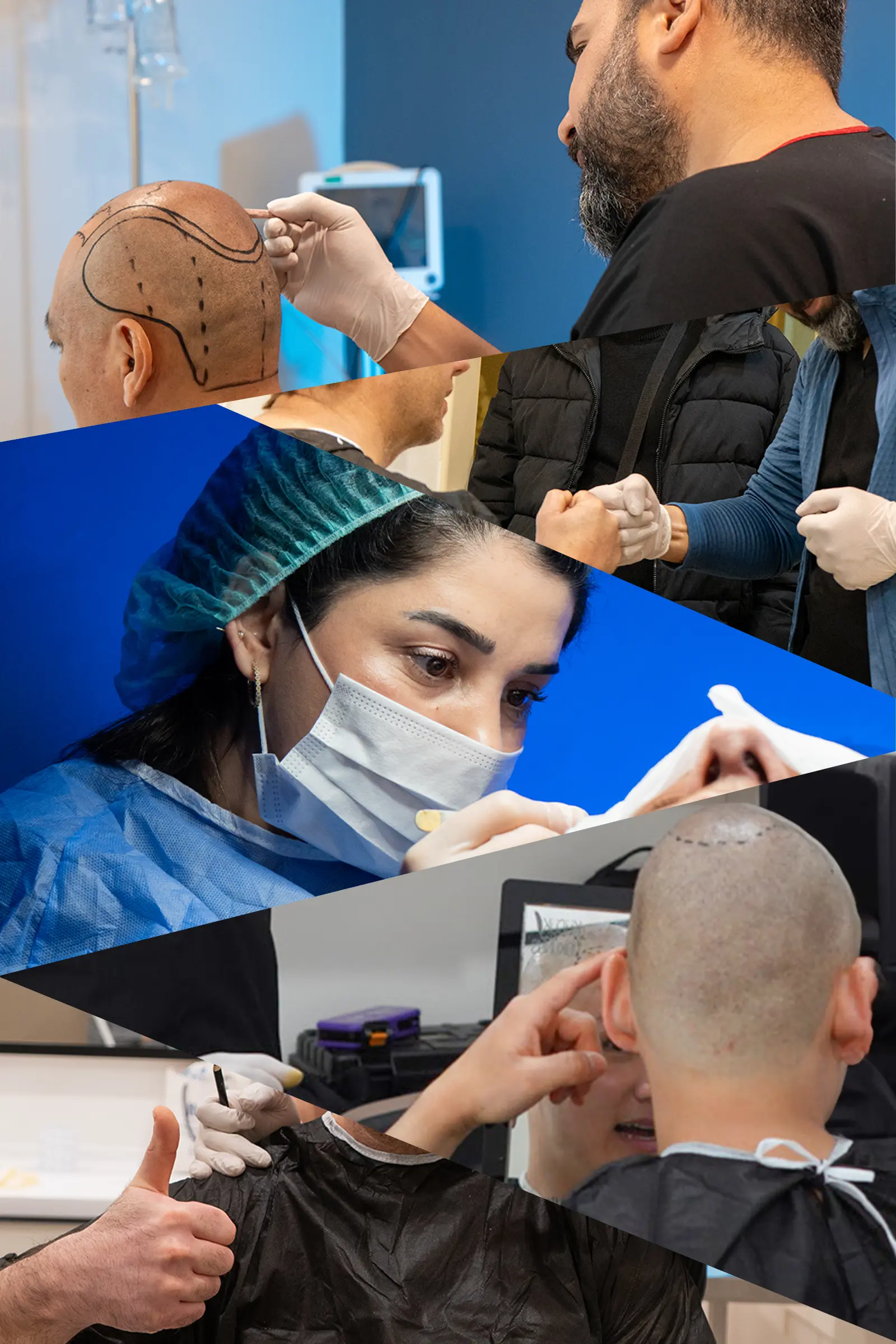
Every operation begins by drawing your hairline. More than 35,000 times since 2000.
Treatments
What is hair transplantation and how is it done?
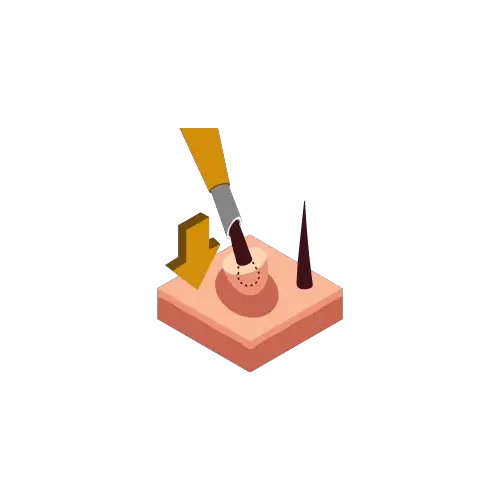
Hair transplantation is the process of transplanting hair follicles, usually from the back or side of the head, to bald areas. The most common methods are FUE (Follicular Unit Extraction) and DHI (Direct Hair Implantation). The procedure is performed under local anaesthesia and takes 6–8 hours depending on graft count.
Hair Transplant
Healthy follicles taken from the donor area, transplanted with their natural direction and angle preserved.

Explore 02Sapphire FUE
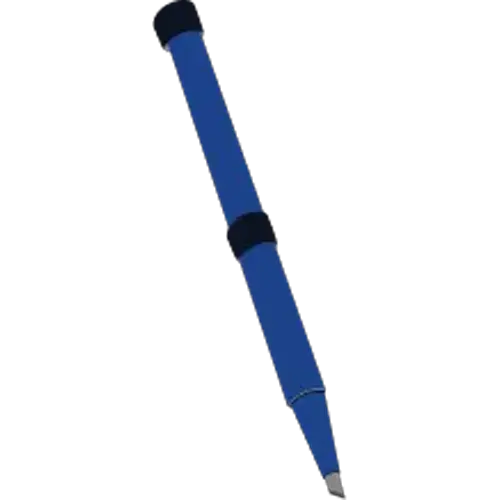
An FUE variation where channels are opened with sapphire-tipped blades. Smaller channels, faster recovery.

Explore 03DHI Hair Transplant
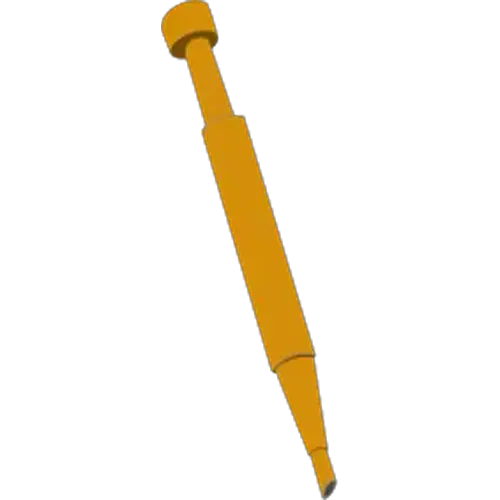
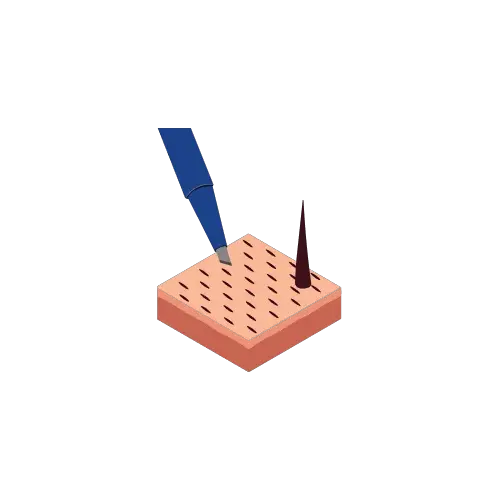
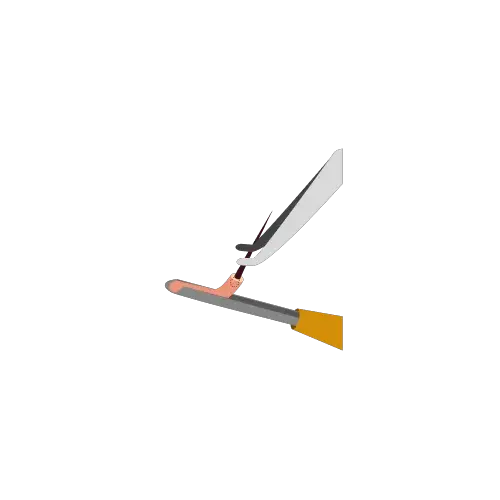
Channel opening and placement carried out in a single step with an implanter pen. Suitable for unshaven work.
Explore 04Hair Mesotherapy
A supporting treatment that nourishes follicles, applicable both before and after a transplant.
Explore 05Eyebrow Transplant
Rebuilding thinned or scarred eyebrows with the natural exit angle calculated for each hair.
Explore 06Beard & Moustache
Beard and moustache work planned around your facial structure. Direction and density follow facial symmetry.
ExploreResults
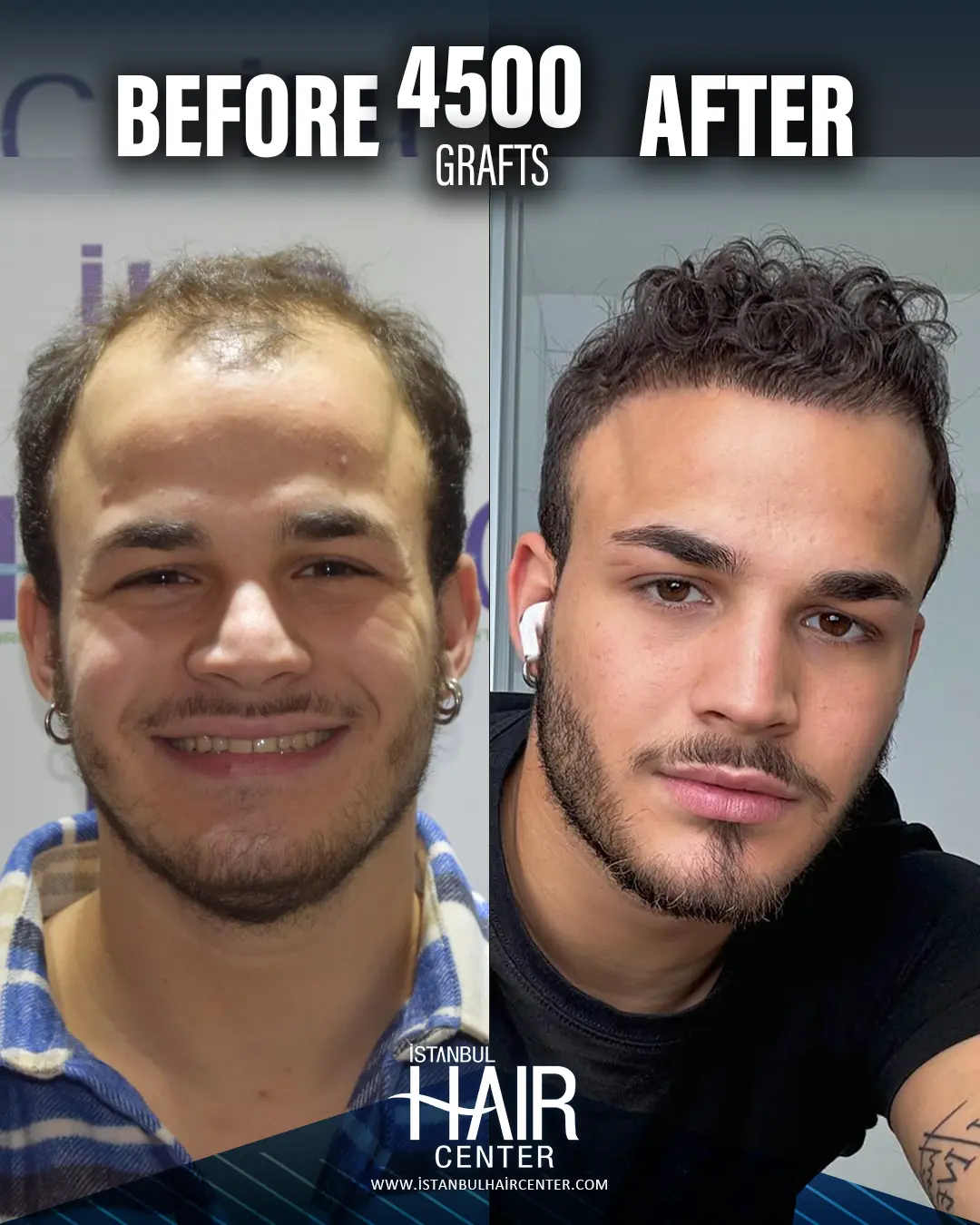
Does a hair transplant look natural?
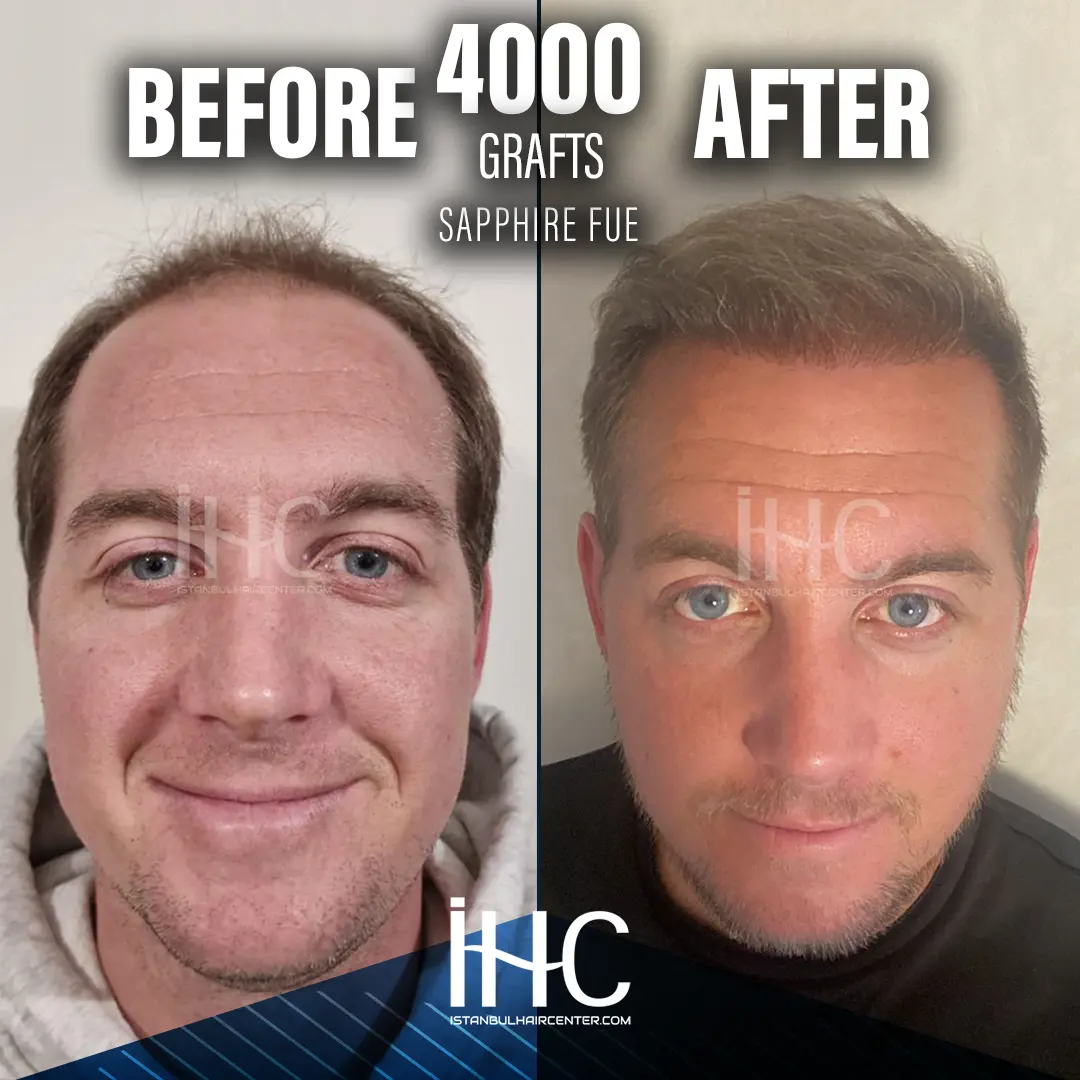
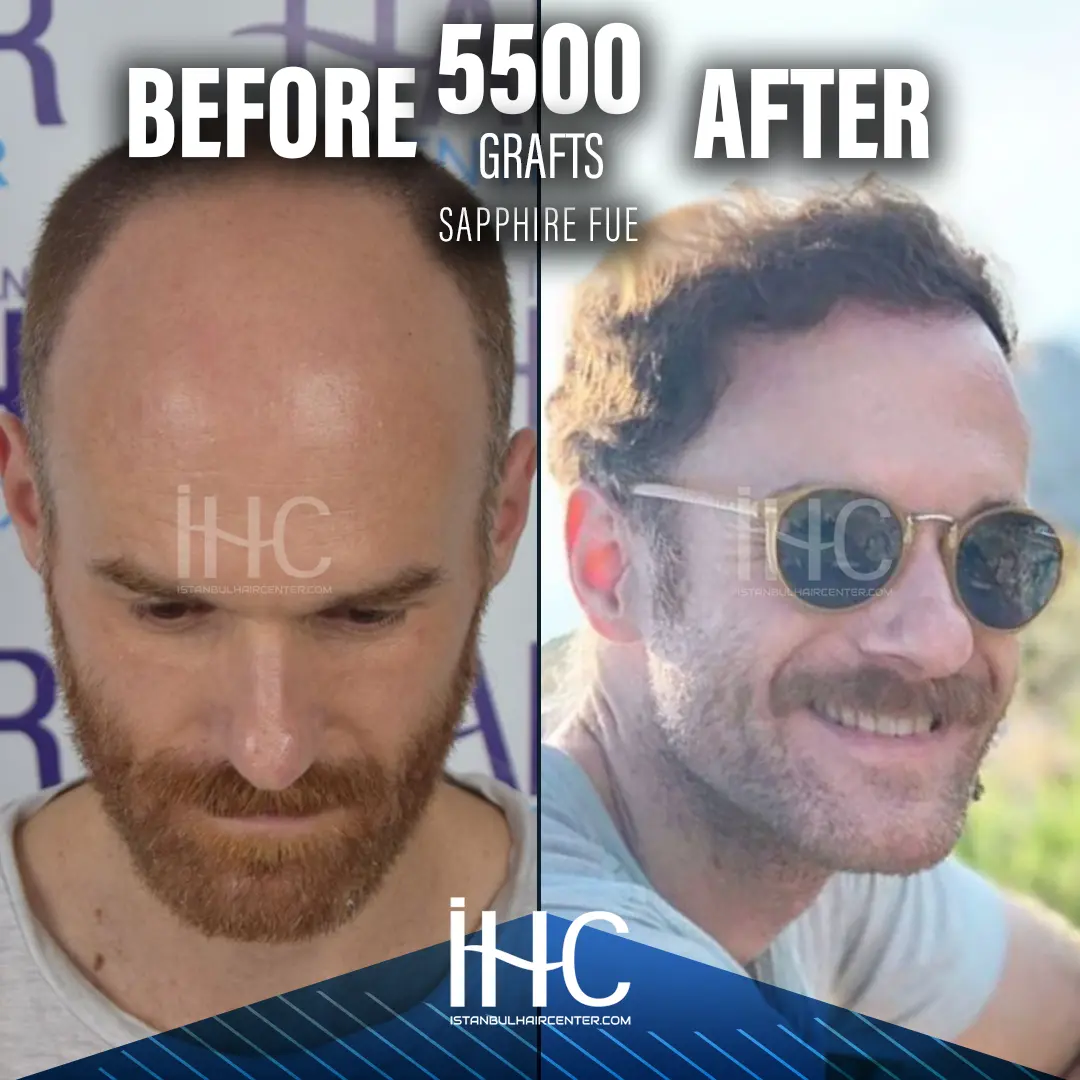
Yes — when the hairline and density are designed by an experienced specialist. The result is measured less by graft count than by how naturally the hairline sits. Drag the slider to compare the same area before the operation and at month 12.
Image area — real patient photographs to be added · omitted from the Turkish edition for regulatory reasons
Comparison
What is the difference between Sapphire FUE and DHI?
Both techniques use the same grafts; the difference is how the channel is opened. In Sapphire FUE the channels are opened first and grafts placed afterwards. In DHI both steps happen at once with an implanter pen.
| Criterion | Sapphire FUE | DHI |
|---|---|---|
| Channel opening | Sapphire-tipped blade, as a separate step | Implanter pen, simultaneous with placement |
| Large areas | Better suited to high graft counts in one session | Progresses more slowly, sessions run longer |
| Shaving | Usually required | More suitable for unshaven work |
| Density control | Set in advance by the channel plan | Adjustable during placement |
| Typical use | Extensive recession, advanced hair loss | Front hairline, eyebrows, limited areas |
This table is for general information. Which technique suits you is determined after an assessment of your donor capacity, degree of hair loss and general health.
Process
From first contact to final result.
- Assessment
- Hairline design
- Graft planning
- Extraction
- Placement
- Follow-up
Assessment
Your donor capacity and degree of hair loss are assessed from photographs, and an estimated graft count is produced.
Hairline design
Your new hairline is drawn before the operation according to your facial proportions. Nothing begins until you approve it.
Graft planning
The area is measured and target density and total graft count are set — accounting for the future of the donor area too.
Extraction
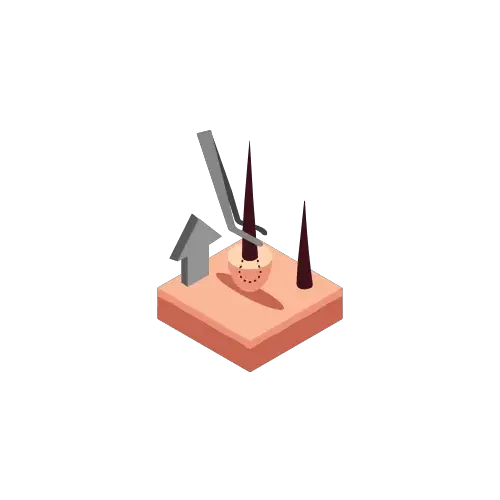
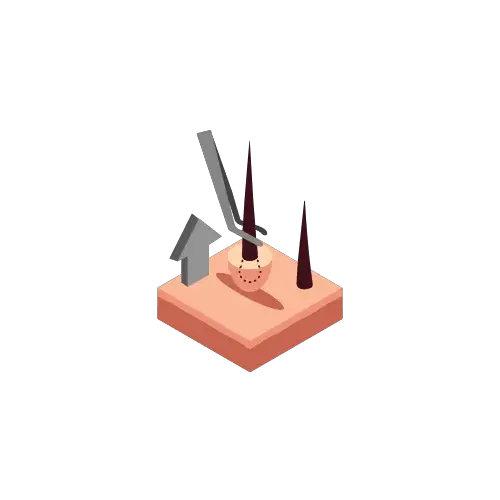
Follicles are extracted one by one from the donor area. There is no pain during the procedure; slight sensitivity may follow.
Placement
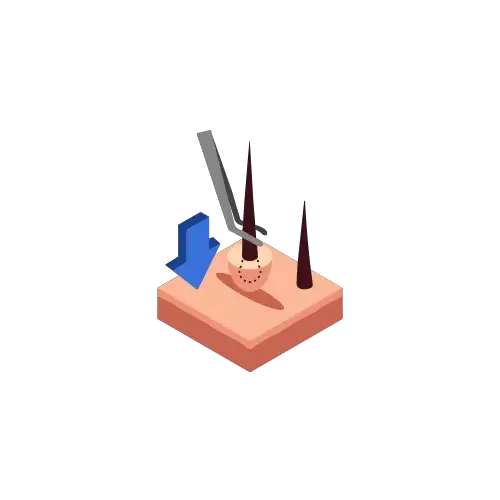
Grafts are placed with their natural exit direction and angle preserved. Errors in direction show directly in the result.
Follow-up
Healing in 7–10 days, growth from month 3, final result at 12–18 months. Follow-up conversations happen in your own language.
Team
Who performs the operation?
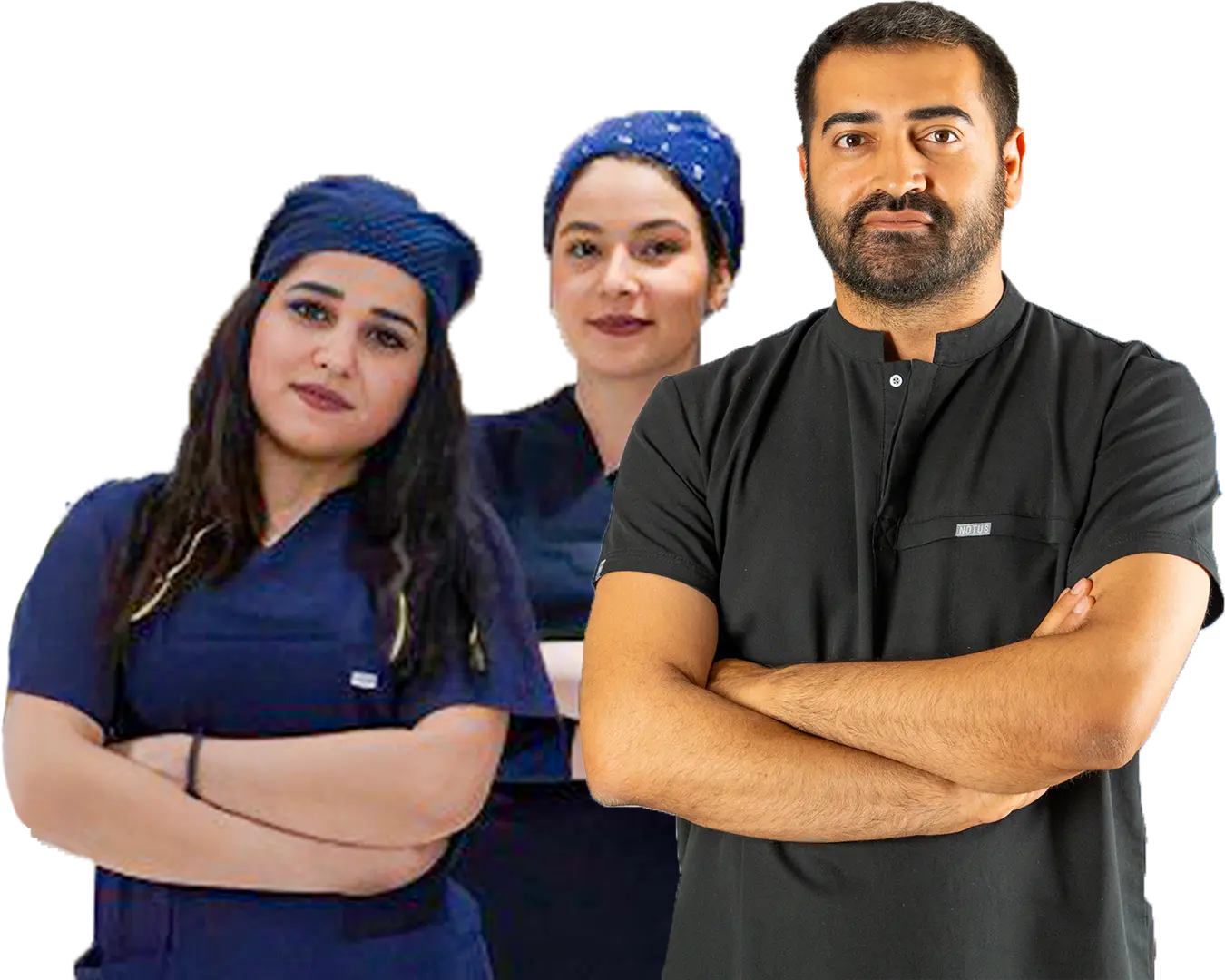
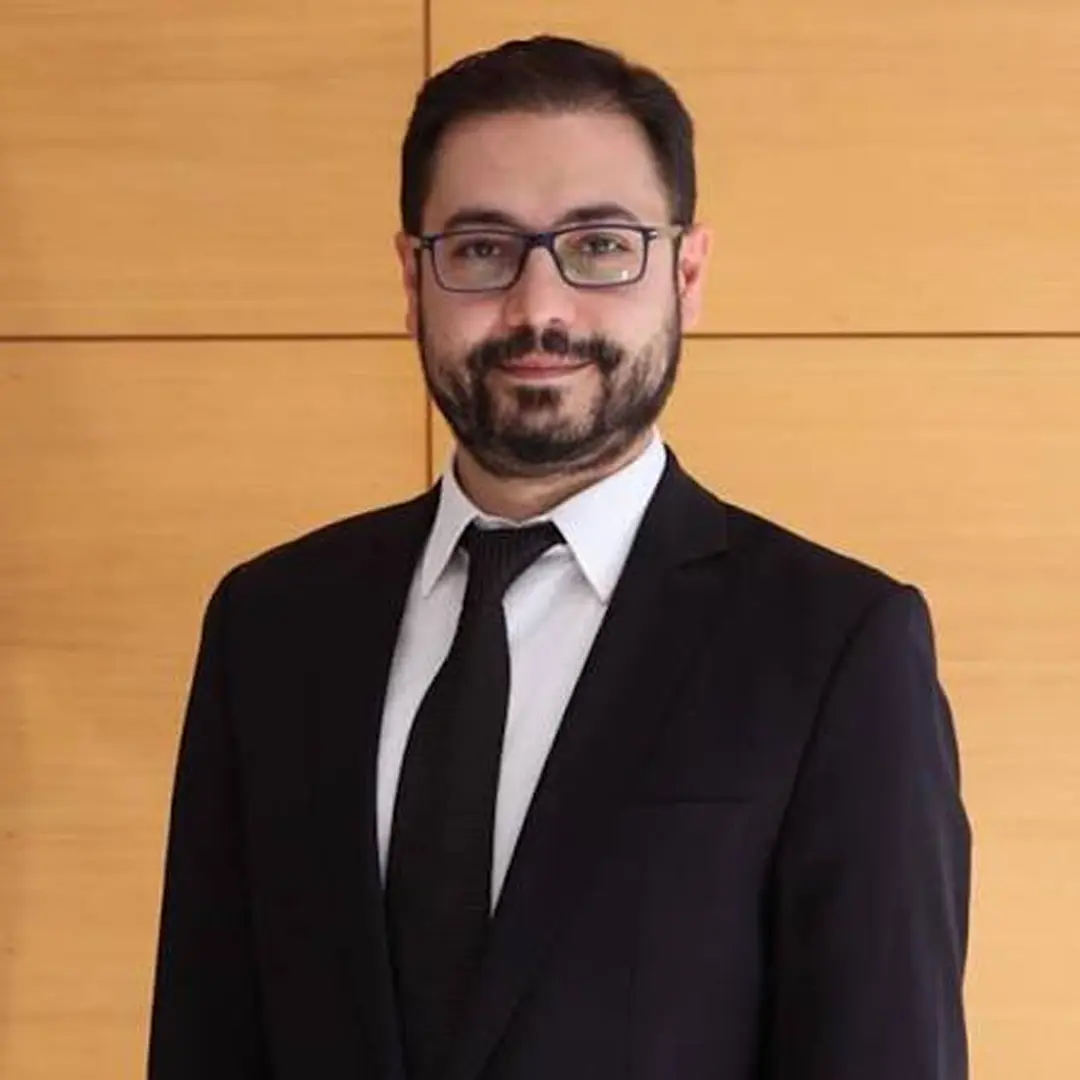
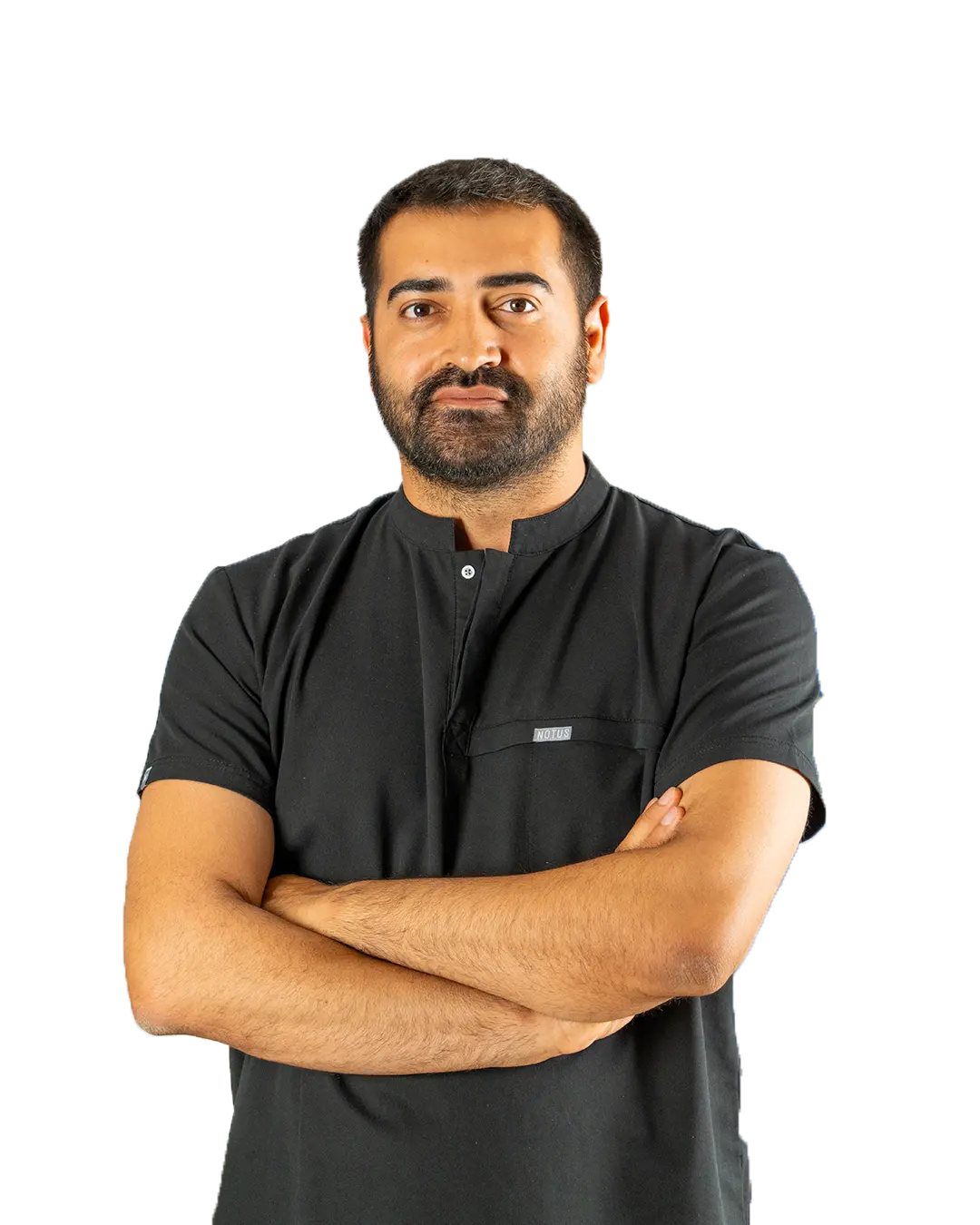
The single biggest factor in the result of a hair transplant is the experience of the team performing it. Operations are carried out in contracted hospitals by the attending physician and specialist team.
Frequently asked questions
What patients ask most
Is hair transplantation a painful procedure?
Hair transplantation is performed under local anesthesia, so there is no pain during the procedure. However, there may be slight sensitivity after the procedure.
How long does the recovery process take?
Recovery after hair transplantation usually takes 7–10 days. Crusting and redness will subside within this time.
When will new hair grow after the transplant?
The transplanted hair usually starts to grow from the 3rd month onwards and the final results are seen within 12–18 months.
Is hair transplantation a permanent solution?
Hair transplantation is usually a permanent solution as healthy hair follicles taken from the donor area are used. However, the person's general hair loss status should be monitored.
Is there an age limit for hair transplantation?
The lower age limit is usually around 20 years old, but there is no upper age limit. The general health status of the candidate is the determining factor.
Who can undergo hair transplantation?
Individuals who experience hair loss, have sufficient donor areas and are in good general health are suitable candidates for hair transplantation.
How long does the procedure take?
The procedure time varies between 6–8 hours depending on the number of grafts to be transplanted.
Assessment
Find out your donor capacity.
Send us your photographs and we will assess your donor capacity, your estimated graft count and the technique that suits you. It is free and carries no obligation.
info@istanbulhaircenter.com
Esentepe St. No 27/8 Floor 2
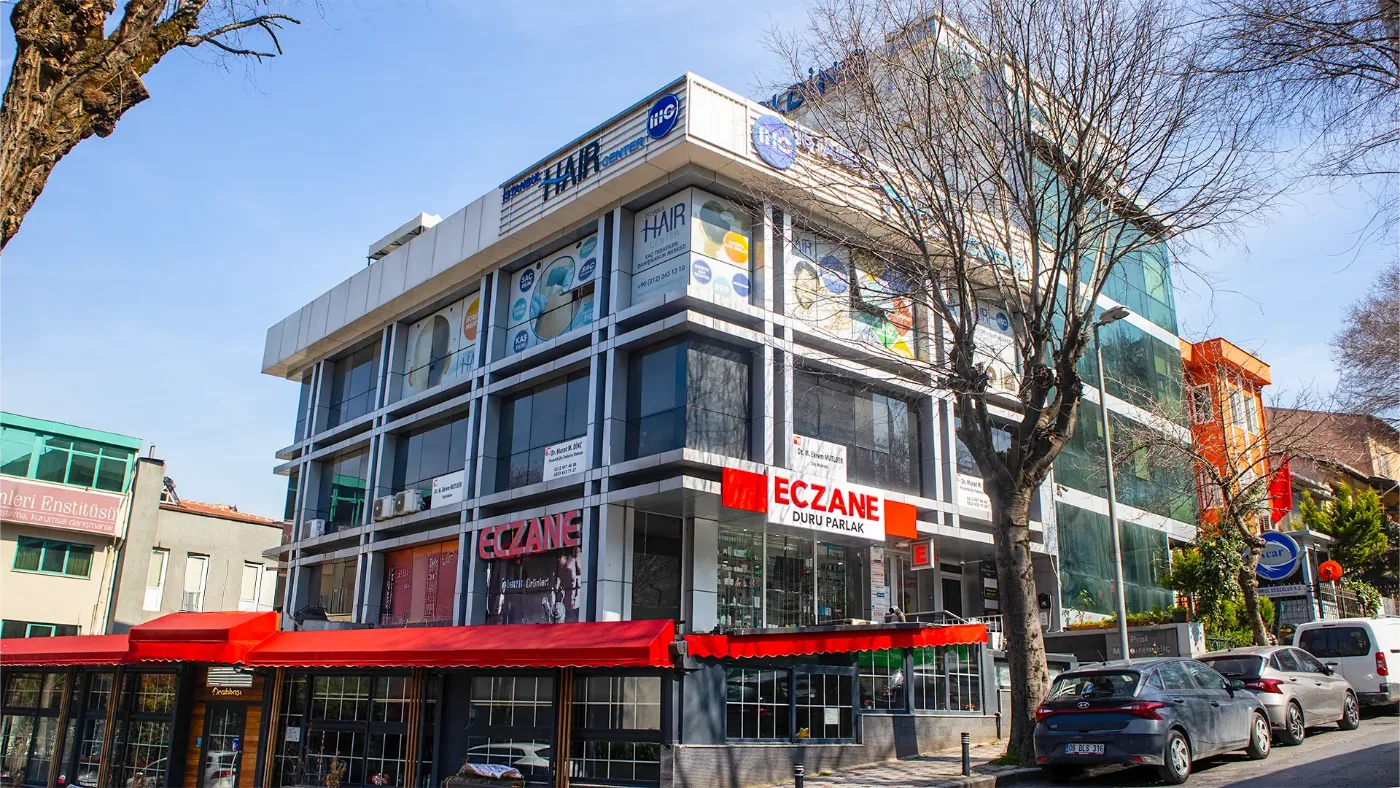
Şişli · Istanbul · Türkiye